


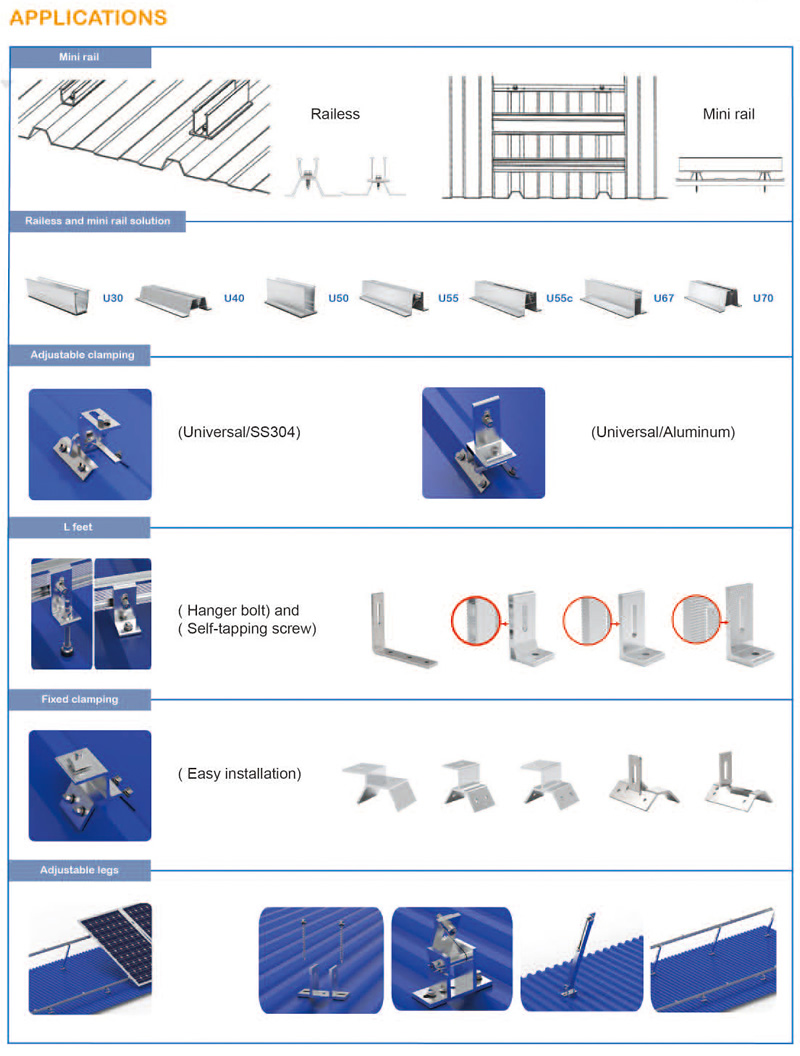
A solar roof mount system is a crucial component of rooftop solar power installations, designed to securely attach solar panels to the roof of a building or structure. These mounts provide the necessary support to hold solar panels at the optimal angle for maximum sunlight exposure, ensuring efficient energy generation. Whether it's a home, business, or industrial facility, solar roof mounts are integral to harnessing the power of the sun.
As the demand for renewable energy grows, many individuals and companies are transitioning to solar energy to reduce their carbon footprint and energy costs. Solar roof mounts offer a practical, efficient, and cost-effective solution for solar panel installations. They are versatile, durable, and available in various types to suit different roof types and energy needs.
In this guide, we will explore everything you need to know about solar roof mount systems, including their benefits, different types, installation processes, and applications. By the end of this article, you will have a comprehensive understanding of how solar roof mounts can be the best solution for your solar power needs.
Maximized Energy Efficiency
One of the primary benefits of solar roof mount systems is their ability to optimize solar panel positioning. The roof of a building generally provides an ideal location for solar panel installation because it offers significant exposure to sunlight throughout the day. By using roof mounts, solar panels can be installed at the optimal tilt angle, which maximizes solar energy generation. This ensures that the system captures as much sunlight as possible, increasing the efficiency of the energy production.
Space-Saving Solution
Roof-mounted solar systems are ideal for properties where ground space is limited or unavailable. Whether in urban environments, where space is constrained, or in areas with land restrictions, a solar roof mount system allows homeowners and businesses to take advantage of unused rooftop space. This is especially beneficial for residential properties where backyard or front-yard space is limited.
Cost-Effective and Low Maintenance
Solar roof mounts typically require minimal maintenance after installation. Solar panels are designed to be durable, and the mounting systems are made from long-lasting materials such as aluminum, steel, or galvanized steel. Regular inspections and cleaning of the panels are usually sufficient to ensure that the system remains operational. Additionally, the installation process is generally quicker and more affordable compared to other types of solar mounting systems, making it a cost-effective option for many homeowners and businesses.
Increased Property Value
Installing a solar roof mount system can significantly increase the value of a property. Properties with solar power installations are often viewed as more energy-efficient and eco-friendly, which appeals to environmentally conscious buyers. Additionally, homes with solar energy systems may offer lower electricity bills, making them attractive to potential buyers who seek long-term savings. This increase in property value can make solar roof mounts a smart investment for homeowners.
Environmental Benefits
Solar energy is a clean and renewable resource that helps reduce reliance on fossil fuels and decrease greenhouse gas emissions. By installing solar roof mount systems, property owners can contribute to environmental sustainability while reducing their carbon footprint. Solar energy also plays a crucial role in mitigating the effects of climate change, as it generates power without emitting harmful pollutants or carbon dioxide.
There are various types of solar roof mount systems designed to suit different roof types, building structures, and energy needs. The choice of solar roof mount depends on factors such as roof material, pitch, and system size. Here are the most common types of solar roof mount systems:
Flush Mount Systems
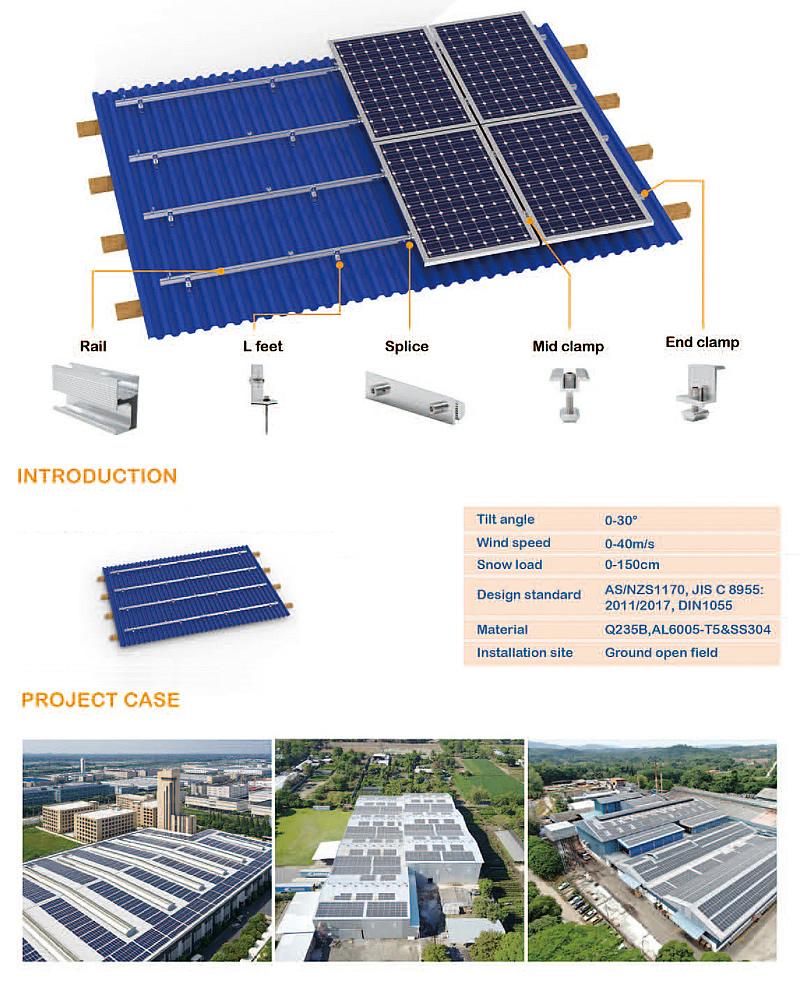
Flush mount systems are the most commonly used type of solar roof mounts. These systems keep the solar panels close to the roof surface, with little or no gap between the panels and the roof. Flush mount systems are designed for roofs with a slight pitch and are ideal for both residential and commercial buildings. They offer a sleek, low-profile appearance and are highly aerodynamic, reducing the wind resistance on the panels.
Best For: Low-slope or flat roofs
Advantages: Aesthetic appeal, minimal wind resistance, and space efficiency
Disadvantages: Limited airflow underneath the panels, which may impact cooling efficiency
Tilted Roof Mounts
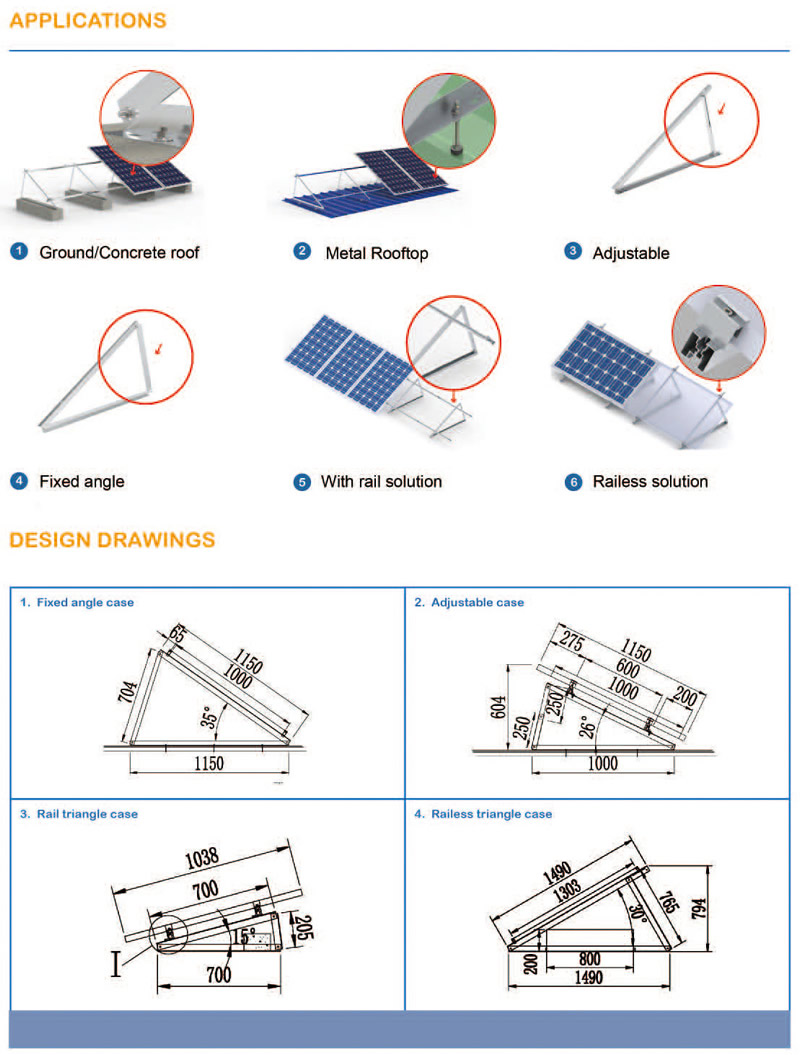
Tilted roof mount systems involve mounting the solar panels at an angle to capture more sunlight. These systems are ideal for roofs that are too flat or low-pitched for flush mounts. Tilted mounts allow solar panels to be installed at a specific tilt angle, optimizing energy production by aligning the panels with the sun's rays throughout the year.
Best For: Low-slope roofs, optimizing energy production
Advantages: Improved energy efficiency, better airflow for cooling the panels
Disadvantages: Requires more space and may be more visible, increasing the system’s visual impact
Ballasted Roof Mounts
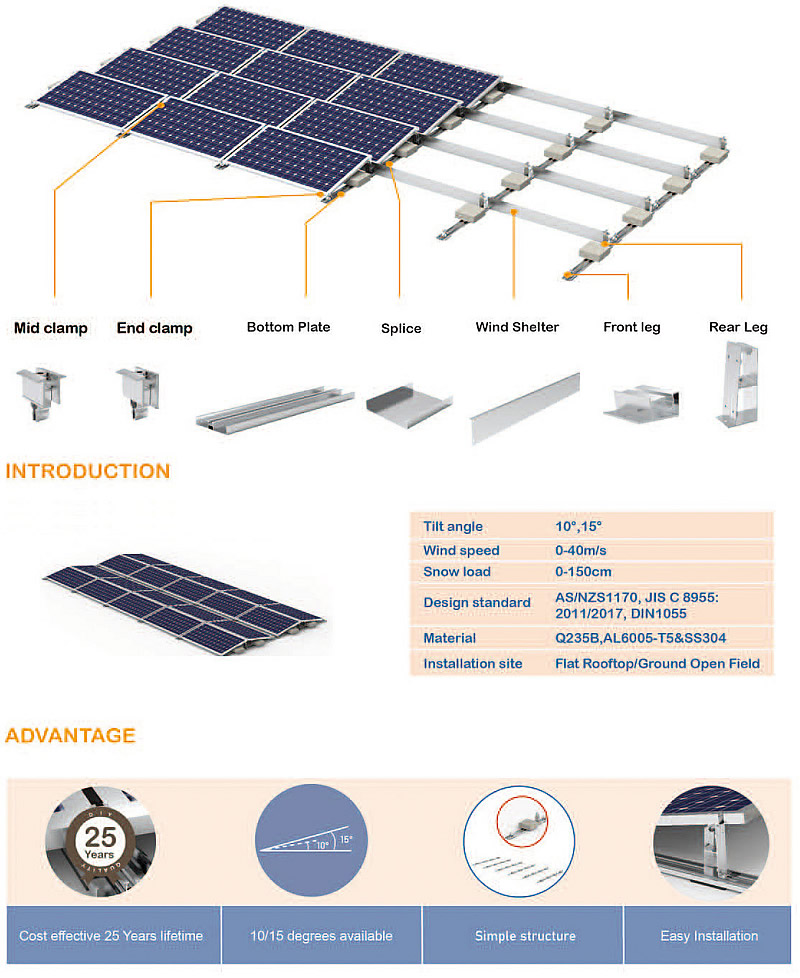
Ballasted roof mounts are used when roof penetration is not an option, such as in buildings where structural integrity must be preserved, or for properties with flat roofs. These systems use heavy weights (usually concrete blocks) to secure the solar panels in place, rather than drilling holes into the roof. Ballasted systems are ideal for commercial properties and larger installations.
Best For: Flat roofs where roof penetration is not allowed
Advantages: No roof penetration, ideal for rental properties or leased spaces
Disadvantages: Requires more weight and space, may not be suitable for all roof types
Hybrid Roof Mount Systems
Hybrid roof mount systems combine both flush and tilted mounting methods. In these systems, the solar panels are mounted at a slight tilt while remaining close to the roof. Hybrid systems are ideal for residential properties with roofs that have moderate slopes or for commercial buildings with specific space constraints.
Best For: Moderate-slope roofs that require both tilt and flush mounting
Advantages: Versatile design, optimized performance
Disadvantages: May be slightly more complex to install
Rack-Mounted Systems
Rack-mounted systems use a frame or structure that holds the solar panels at an adjustable angle. These systems are commonly used for commercial or large-scale residential projects where maximizing energy production is a priority. Rack-mounted systems can be used on both pitched and flat roofs and offer flexibility in panel arrangement and configuration.
Best For: Commercial or large-scale residential installations
Advantages: Customizable angles for optimal solar exposure, highly versatile
Disadvantages: Requires more space and can increase the overall cost of installation
Solar roof mounts are applicable in a wide range of settings, from residential homes to large-scale commercial buildings. Below are the common applications of solar roof mount systems:
Residential Solar Installations
Homeowners often choose solar roof mounts for residential solar energy generation. Whether for reducing monthly electricity bills or increasing property value, installing solar panels on the roof offers a reliable way to harness solar energy without taking up ground space. Residential solar roof mounts are ideal for single-family homes, multi-family buildings, and townhouses.
Commercial Solar Installations
Businesses are increasingly investing in solar roof mounts as a way to reduce energy costs and promote sustainability. From office buildings to retail stores, solar panels installed on rooftops help commercial properties generate clean energy and save on electricity bills. Additionally, many businesses can take advantage of government incentives and tax credits for installing renewable energy systems.
Industrial and Agricultural Applications
Large industrial facilities and agricultural operations are also adopting solar roof mounts to reduce their energy costs. Roof-mounted solar panels on warehouses, factories, or greenhouses can significantly offset energy usage, reduce operational costs, and promote sustainability. Solar panels are especially valuable for farms and agricultural facilities, providing clean energy for irrigation, lighting, and other operations.
Government and Public Sector Installations
Government buildings, schools, and public sector institutions are increasingly incorporating solar roof mounts into their energy solutions. Solar energy is a sustainable option for public buildings, providing both environmental and economic benefits. By installing solar roof systems, public sector institutions can contribute to national renewable energy goals while reducing energy costs.
The installation of solar roof mount systems requires careful planning and execution. Below is an overview of the typical installation process:
Site Assessment
Before the installation process begins, a thorough site assessment is conducted. This includes evaluating the roof's structural integrity, pitch, and orientation. The installer will assess the type of roofing material and ensure that it can support the weight of the solar panels. The location of the building will also be considered to determine the optimal tilt angle and panel arrangement.
Design and Planning
Once the site has been assessed, the next step is designing the solar roof mount system. This involves choosing the appropriate mounting system (flush mount, tilted, ballasted, etc.), selecting the right number of panels, and determining the configuration of the panels to maximize energy generation.
Roof Preparation and Mounting Installation
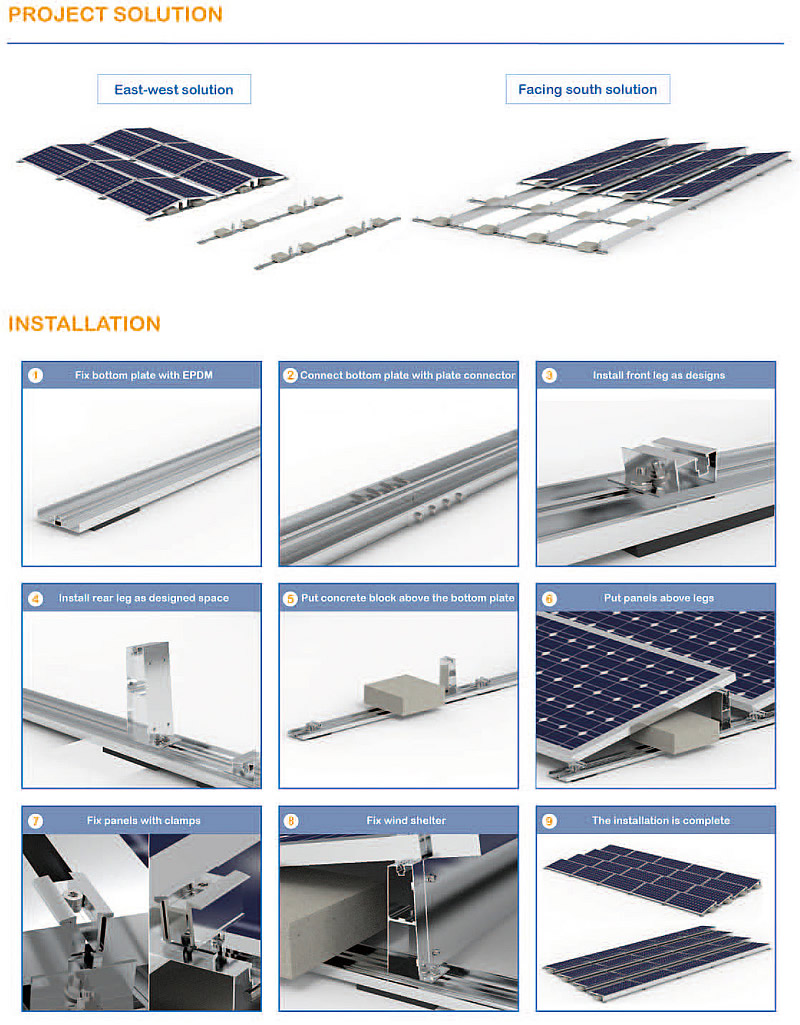
If necessary, roof preparation includes cleaning the roof surface and ensuring that it is free from debris or damage. For flush mounts, installers will secure the mounting hardware directly to the roof rafters. For ballasted systems, heavy concrete blocks are placed to secure the panels. The solar panel mounting frames are then installed.
Panel Installation
After the mounts are in place, the solar panels are installed on the frames. For tilted mounts, the panels are set at the required angle to maximize sunlight exposure. The panels are securely fastened, ensuring they are aligned correctly and will remain stable under various
Cangzhou Yangkang is a professional supplier in the photovoltaic and infrastructure fields, focusing on the R&D and production of Ground screws (helical ground anchors), Photovoltaic (PV) Mounting Systems, Bolts, Fence caps, Wire Mesh and other products.

About


Copyright © 2022 Cangzhou Yangkang Trading Co., Ltd
SitemapMain business area: Huanghua Cangzhou CHINA
This website uses cookies to ensure you get the best experience on our website.



 Phone
Phone