


Solar roof mounting system
Solar Roof Mounting System: An Overview A solar roof mounting system is a critical component of any photovoltaic (PV) installation, providing structural support, optimal positioning, and long-term durability for solar panels. These systems are designed to securely attach solar panels to various roof types while ensuring maximum energy production, weather resistance, and minimal impact on the roof structure. Key Components A typical solar roof mounting system consists of several key elements: 1. Mounting Rails – The primary framework that holds the solar panels in place. Rails are typically made of aluminum for lightweight durability and corrosion resistance. 2. Clamps and Brackets – Used to fasten solar panels to the rails, ensuring stability while allowing for thermal expansion. 3. Flashing and Sealants – Waterproofing materials that prevent leaks when penetrating the roof. 4. Roof Attachments – These include hooks, bolts, or standoffs that anchor the system to the roof structure, often using rafters or trusses for support. 5. Tilt Kits (Optional) – Adjustable components that optimize panel angle for better sunlight exposure. Types of Roof Mounting Systems Different roof types require specific mounting solutions: - Pitched Roof Mounting – The most common type, using rails and brackets that attach to rafters. Panels lie parallel to the roof slope or are tilted for better efficiency. - Flat Roof Mounting – Often uses ballasted systems (weighted bases) or tilt frames to angle panels without roof penetration. - Tile Roof Mounting – Specialized hooks or brackets are designed to clip under tiles without damaging them. - Metal Roof Mounting – Clamps or seam-attached systems that avoid drilling, preserving the roof’s integrity. Key Considerations When selecting a solar roof mounting system, several factors must be evaluated: - Roof Material & Condition – The system must be compatible with asphalt shingles, metal, tile, or other roofing materials. - Wind and Snow Loads – The mounting structure must withstand local weather conditions. - Weight Distribution – Excessive load can damage the roof, so proper weight distribution is essential. - Ease of Installation – Modular designs with fewer components can reduce labor costs. - Aesthetics – Low-profile systems blend better with the roof for a cleaner appearance. Advantages of a Well-Designed System A high-quality solar roof mounting system ensures: - Longevity – Corrosion-resistant materials extend the system’s lifespan. - Energy Efficiency – Proper tilt and orientation maximize sunlight capture. - Safety – Secure attachments prevent panel displacement in extreme weather. - Minimal Roof Impact – Waterproofing and non-invasive methods protect the roof structure. Conclusion Solar roof mounting systems play a vital role in the efficiency and durability of PV installations. By selecting the right system based on roof type, climate, and structural requirements, installers can ensure optimal performance and long-term reliability. As solar technology advances, mounting systems continue to evolve, offering lighter, stronger, and more adaptable solutions for residential and commercial applications.
Products
Category:
Photovoltaic (PV) Mounting System
-
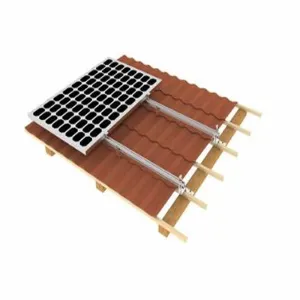
Solar roof mount
Category: Photovoltaic (PV) Mounting SystemBrowse number: 14Number:Release time: 2025-11-06 16:07:24Solar roof mount systems securely attach solar panels to your roof, optimizing energy production. These mounts are ideal for residential, commercial, and industrial buildings. They provide a space-saving solution, are low-maintenance, and offer maximum sunlight exposure, ensuring efficient and sustainable solar energy generation.
News
Category:
No search results found!
Case
Category:
No search results found!
Video
Category:
No search results found!
Download
Category:
No search results found!
Job
Category:
No search results found!
Featured Products
No search results found!



 Phone
Phone