

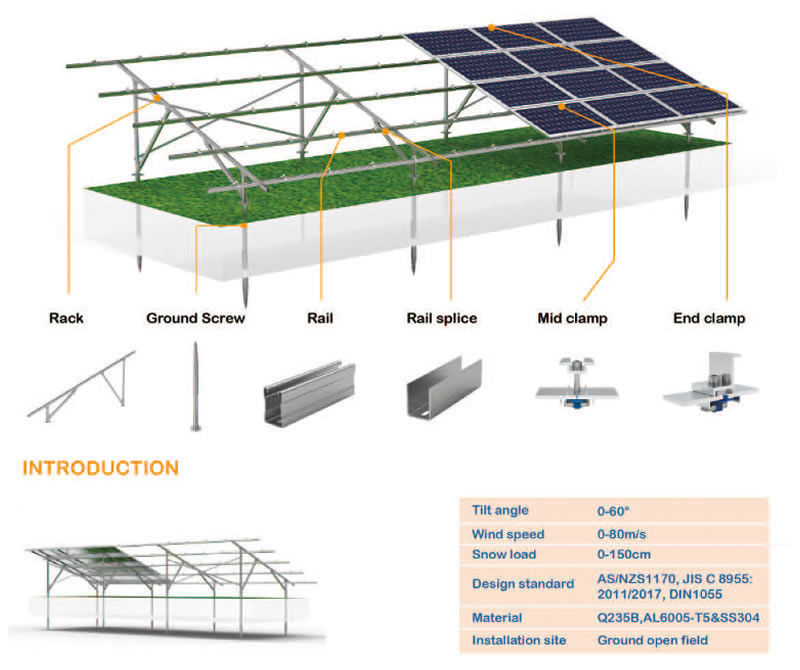
A solar ground mount system is a reliable and efficient solution for installing solar panels on open land or in large areas. Unlike rooftop solar installations, ground-mounted systems are installed directly on the ground, typically using metal or concrete racks designed to hold solar panels at the optimal angle for sunlight exposure. Solar ground mounts are highly effective for residential, commercial, and utility-scale solar projects where large amounts of energy are required.
As the global demand for renewable energy sources continues to rise, solar ground mount systems are becoming increasingly popular. These systems allow users to generate clean, sustainable energy while minimizing their reliance on fossil fuels. Solar ground mounts are highly customizable, flexible, and versatile, offering a wide range of installation options that can accommodate various site conditions.
This guide will explore everything you need to know about solar ground mount systems, including their features, benefits, types, installation processes, applications, and how they help homeowners and businesses reduce their carbon footprint while maximizing energy production.
Maximized Sunlight Exposure
Solar ground mounts are positioned on the ground, which allows for optimal sun exposure throughout the day. Unlike roof-mounted solar panels, which may be limited by roof orientation or shading, ground-mounted solar systems can be placed in areas with the best access to sunlight. This maximizes energy production, especially when combined with adjustable mounting angles that allow for seasonal adjustments.
Flexibility in Design and Size
Solar ground mount systems are highly flexible and can be installed in a wide range of environments, including residential backyards, commercial properties, and large-scale utility projects. These systems come in various sizes and designs, making them adaptable to your available space. Whether you're looking to power a small home or a large industrial facility, a ground mount system can be customized to meet your energy needs.
Easier Maintenance and Accessibility
Ground-mounted solar panels are easier to maintain and clean than rooftop panels. Since they are installed at a more accessible height, there is no need for ladders or specialized equipment to reach them. This reduces the costs and risks associated with regular maintenance. Additionally, the system can be monitored and repaired more easily.
Increased Durability and Stability
Solar ground mounts are typically made from high-strength materials such as galvanized steel or aluminum, ensuring long-term durability. These materials are resistant to corrosion and can withstand harsh weather conditions, including high winds and heavy snow. Ground mount systems are designed to be stable and long-lasting, providing reliable performance for decades.
Cost-Effective for Larger Installations
For large-scale solar installations, ground-mounted systems are often more cost-effective than rooftop solutions. They are easier to install in large open spaces and provide the flexibility to add more panels as needed. Ground mounts can also accommodate large, heavy-duty panels, making them ideal for commercial and industrial energy needs.
There are several types of solar ground mount systems designed to meet different energy needs and environmental conditions. Each type has its own set of advantages and is suited for specific applications. Below are the most common types of solar ground mounts:
Fixed Solar Ground Mounts
Fixed solar ground mounts are the most basic and commonly used type of ground-mounted solar system. These mounts hold the solar panels at a fixed angle and position, which is typically optimized for year-round energy production in a specific geographic location. Fixed systems are easy to install and relatively inexpensive, making them an excellent choice for homeowners and small businesses with moderate energy needs.
Tracking Solar Ground Mounts
Single-axis and dual-axis tracking systems are advanced ground mount options that allow solar panels to move with the sun's path throughout the day. Single-axis trackers follow the sun from east to west, while dual-axis trackers adjust the panels’ angle both vertically and horizontally for optimal sunlight exposure. These tracking systems can significantly increase energy production compared to fixed systems by up to 25%. However, they tend to be more expensive and require more maintenance.
Pole-Mounted Solar Systems
Pole-mounted solar systems are a type of solar ground mount that uses tall poles to elevate solar panels above the ground. These systems can be fixed or equipped with tracking mechanisms. Pole-mounted solar installations are often used in areas where space is limited, such as small residential properties or urban areas with limited ground space. They are also ideal for areas that may have a lot of snow or debris, as the elevated position helps avoid accumulation.
Ballasted Ground Mounts
Ballasted ground mounts are a popular choice for commercial and large-scale solar projects. These systems use heavy weights, often made from concrete, to hold the solar panels in place, without the need for any digging or concrete foundations. Ballasted systems are ideal for flat or hard surfaces such as parking lots, and they are easy to install and remove if necessary. These mounts are perfect for properties with space constraints or environmentally sensitive areas.
Solar ground mount systems can be used for a variety of applications across different sectors. Here are some of the most common uses:
Residential Use
Homeowners can install solar ground mount systems on their property to offset their electricity bills and reduce their carbon footprint. Ground-mounted systems are ideal for homeowners who have ample land or space available and prefer the flexibility to position their solar panels for optimal performance. Whether installed in the backyard, on farmland, or other unused land, solar ground mounts can help homeowners take full advantage of solar energy.
Commercial Use
Businesses can also benefit from installing solar ground mounts on their properties. For commercial buildings with large parking lots, open spaces, or unused land, ground-mounted solar systems can provide significant savings on electricity bills. Installing solar panels on the ground allows businesses to meet sustainability goals while benefiting from the tax incentives and rebates available for solar power systems.
Utility-Scale Solar Farms
Large utility-scale solar projects are typically installed using ground-mounted solar systems. These large solar farms generate electricity on a massive scale and are often connected to the grid to provide renewable energy to communities. Utility companies invest in ground-mounted solar installations because they offer the ability to deploy thousands of solar panels over vast areas, maximizing energy production and efficiency.
Agricultural Applications (Agri-voltaics)
Agri-voltaics refers to the practice of combining solar power generation with agricultural land use. Solar ground mount systems are installed above crops or livestock areas, providing shade while simultaneously generating renewable energy. This dual-use of land can improve land productivity, as the solar panels provide protection against extreme weather conditions, while the crops or livestock benefit from the microclimate created by the solar array.
Remote Areas and Off-Grid Locations
Ground-mounted solar systems are ideal for off-grid locations or remote areas that are not connected to the electricity grid. These systems can be used to power homes, schools, and businesses in rural or isolated locations, providing reliable and renewable electricity in places where traditional power lines may be unavailable or impractical.
The installation process for solar ground mount systems involves several key steps to ensure a secure, efficient, and optimized setup. Here’s an overview of the process:
Site Assessment and Planning
Before installation begins, a site assessment is conducted to determine the best location for the solar system. This includes evaluating the land's orientation, slope, and any potential obstacles such as trees or buildings that may cause shading. The site survey also considers soil conditions and wind exposure to ensure the system will be stable and effective.
System Design
Once the site is assessed, the next step is designing the solar ground mount system. This includes choosing the appropriate type of mount, determining the number of panels required, and ensuring the system will meet energy production goals. Engineers use this design to optimize panel orientation, spacing, and overall performance.
Foundation Installation
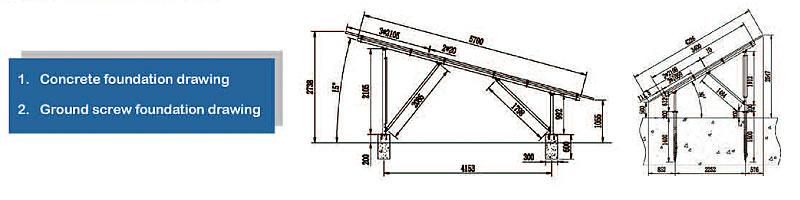
The foundation is crucial for the stability of the system. Depending on the type of mount, this may involve digging holes for posts or installing ballast blocks. The foundation is designed to withstand harsh weather conditions and provide a long-lasting base for the solar panels.
Mounting and Panel Installation
After the foundation is in place, the mounting structure is installed. For fixed mounts, the panels are securely attached to the frame at the optimal angle for maximum sunlight exposure. For tracking systems, the motors and mechanisms are installed to allow for movement. Finally, solar panels are mounted on the frame, ensuring they are securely positioned and protected.
Electrical Connections
Once the panels are installed, the electrical system is connected. This includes wiring the panels to inverters, which convert the DC electricity generated by the panels into usable AC electricity. The system is then connected to the grid or to a battery storage system if it's an off-grid installation.
Testing and Commissioning
After the system is fully installed, a series of tests are conducted to ensure everything is functioning correctly. The solar panels, inverters, and electrical components are checked for optimal performance, and the system is commissioned for use.
Solar ground mount systems are a versatile, efficient, and cost-effective solution for harnessing the power of the sun. Whether you're a homeowner, business owner, or part of a large utility-scale project, ground-mounted solar systems offer a reliable way to generate clean, renewable energy while saving on energy costs. With various types of mounts.
Cangzhou Yangkang is a professional supplier in the photovoltaic and infrastructure fields, focusing on the R&D and production of Ground screws (helical ground anchors), Photovoltaic (PV) Mounting Systems, Bolts, Fence caps, Wire Mesh and other products.

About


Copyright © 2022 Cangzhou Yangkang Trading Co., Ltd
SitemapMain business area: Huanghua Cangzhou CHINA
This website uses cookies to ensure you get the best experience on our website.



 Phone
Phone