

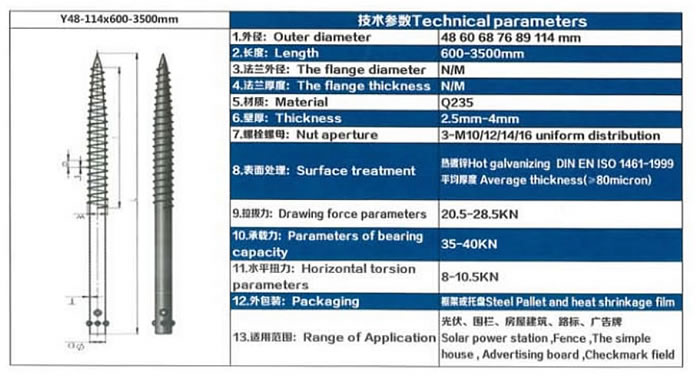
Helical piles, also known as Screw piles, are an advanced foundation solution that involves a steel shaft with helical plates screwed into the ground. Unlike traditional foundation systems that require concrete pouring or extensive excavation, helical piles offer a faster, more sustainable method of foundation installation. These piles provide high load-bearing capacity and are especially beneficial for industrial applications where heavy-duty support is required.
helical piles for industrial use are ideal for projects with challenging soil conditions, high load-bearing demands, or tight installation deadlines. Whether used for factories, warehouses, bridges, or large-scale industrial facilities, they offer exceptional stability and durability. This product description will explore the numerous advantages of using helical piles in industrial applications, their installation process, and the variety of projects that can benefit from their use.
Quick and Efficient Installation
Helical piles are installed using a specialized machine that screws the pile deep into the ground, offering an immediate load-bearing foundation. Unlike traditional methods that involve extensive excavation, pouring concrete, and waiting for curing, the installation of helical piles is significantly faster and requires less labor. This quick installation reduces project timelines and allows construction to proceed without delays.
Minimal Environmental Impact
One of the standout benefits of helical piles is their minimal environmental impact. Since they require no excavation or concrete pouring, there is a significant reduction in construction-related waste, machinery use, and disruption to the surrounding environment. This makes them an eco-friendly option, especially for projects that prioritize sustainability.
Cost-Effective for Industrial Projects
The installation of helical piles is often more affordable than traditional concrete foundations due to their reduced labor and material costs. Industrial construction projects benefit from the cost-effectiveness of helical piles, as the installation process is faster, requires fewer resources, and reduces the overall construction budget. Additionally, because they can be installed in difficult soil conditions, they eliminate the need for expensive site preparation.
Adaptability to Various Soil Conditions
Helical piles are perfect for industrial sites with unstable, soft, or problematic soils. They are able to anchor deep into the ground, bypassing the unstable layers and reaching solid ground for maximum stability. This makes them an excellent choice for industrial projects in areas with poor soil quality, such as coastal or swampy regions, as well as those with high water tables.
Minimal Disruption to Ongoing Operations
In industrial settings where minimizing downtime is critical, helical piles provide a significant advantage. Their installation process generates minimal noise and vibration, which is crucial in working environments that cannot afford interruptions. Additionally, their ability to be installed in tight spaces makes them ideal for retrofitting or expanding existing industrial facilities without disrupting daily operations.
Durability and Long-Term Stability
Helical piles are known for their durability, as they are made from corrosion-resistant steel. This makes them an excellent choice for industrial foundations that need to endure heavy loads, extreme weather conditions, and potential soil movement over time. Their long lifespan means that once installed, they require little to no maintenance, making them a low-maintenance, long-term solution.
Helical piles are used in a wide range of industrial applications. Their versatility, combined with the ability to be installed in various soil conditions, makes them suitable for a variety of industrial projects. Here are some of the key industrial applications where helical piles are often used:
Factory Foundations
For manufacturing plants or factories, a stable foundation is crucial to ensure the longevity and safety of the building. Helical piles provide the necessary support without the lengthy installation processes associated with traditional foundations. This is especially valuable for factory construction projects that need to meet strict deadlines or have ongoing operational needs.
Warehouses and Distribution Centers
Helical piles are a popular choice for large warehouses and distribution centers, which require foundations that can withstand heavy loads from machinery, inventory, and equipment. The quick installation process and adaptability to different soil conditions make them ideal for these large-scale projects, especially in locations with soft or expansive soils.
Bridges and Overpasses
The need for strong, reliable foundations in bridge construction is essential. Helical piles are used in bridge and overpass projects due to their ability to support large loads and their quick installation. These piles are particularly beneficial for projects that require deep foundations, especially in areas with soft or unpredictable soils. The low vibration and minimal disturbance during installation are additional advantages for these types of infrastructure projects.
Power Plant Foundations
Power plants require highly durable and stable foundations to support heavy machinery and equipment. Helical piles offer an ideal solution for power plant construction, as they can be quickly installed and provide strong load-bearing capacity even in difficult soil conditions. Additionally, helical piles reduce the need for extensive excavation and can be used in remote locations with limited access.
Solar Panel Installations
The use of helical piles for solar farm foundations has become increasingly popular. These piles provide a stable base for solar panel arrays, ensuring that the panels remain secure and functional over time. The rapid installation process is crucial for large-scale solar farm projects that require minimal disruption and fast turnaround times. Helical piles are especially useful for installations in areas with rocky or uneven terrain, where traditional foundation methods might be impractical.
Heavy Machinery and Equipment Foundations
In industrial settings where heavy machinery, such as cranes or press machines, is required, helical piles offer superior support. The piles can anchor the machinery firmly to the ground, ensuring that the equipment operates safely and efficiently without shifting or instability. This is essential for industries such as mining, oil and gas, and construction.
The installation of helical piles is a precise and efficient process, typically involving the following steps:
Site Assessment and Design
The first step in the installation process is to assess the site conditions, including soil composition, water table levels, and load requirements. A foundation design is then created based on these factors to determine the appropriate size, length, and type of helical piles required.
Pile Installation
A specialized hydraulic torque motor or machine is used to screw the helical piles into the ground. The piles are installed to the required depth and load capacity, with the helical plates providing stability and strength. The installation process is quick, with minimal disruption to the site, and can often be completed in a matter of hours or days, depending on the size of the project.
Load Testing
After installation, load testing is performed to ensure that the helical piles are capable of bearing the required load. This process involves applying a vertical or lateral load to the pile to verify its stability and performance. The load test ensures the foundation is safe and capable of supporting the industrial structure.
Foundation Connection
Once the piles are installed and tested, they are connected to the structure using brackets, beams, or other steel components. These connections ensure that the industrial building is securely anchored to the helical piles, providing a stable foundation.
Final Inspection and Quality Control
The final step involves a thorough inspection to ensure that all piles are installed according to the design specifications and meet all necessary building codes and safety standards. This ensures that the industrial foundation is secure and long-lasting.
Helical piles offer numerous benefits for industrial applications. Here are some reasons why they are a top choice for modern industrial construction:
Speed of Installation
The quick and efficient installation process minimizes downtime, which is crucial in industrial settings where operations must continue without significant interruption. This rapid installation also reduces project timelines, allowing industrial facilities to begin operations sooner.
Cost Savings
The reduced need for labor, materials, and machinery results in significant cost savings. The long-term durability of helical piles further contributes to overall cost efficiency, as they require minimal maintenance over time.
Sustainability
Helical piles are an eco-friendly foundation option, as they require no excavation, concrete, or large machinery. This reduces waste and minimizes the environmental footprint of industrial construction projects.
Versatility and Flexibility
Helical piles can be used in a wide range of industrial applications, from warehouses to power plants to heavy machinery foundations. Their adaptability to various soil conditions and environments makes them a versatile solution for a broad spectrum of industrial projects.
Long-Term Durability
Helical piles are built to last, providing stable foundations for decades. Their corrosion-resistant materials ensure long-term performance, making them a reliable choice for industrial foundations that require longevity and durability.
Helical piles for industrial use provide a fast, cost-effective, and sustainable foundation solution that meets the heavy-duty requirements of industrial projects. Their rapid installation, minimal environmental impact, and ability to support large loads in difficult soil conditions make them a superior choice for modern industrial construction. Whether you're building a factory, warehouse, or infrastructure project,
Cangzhou Yangkang is a professional supplier in the photovoltaic and infrastructure fields, focusing on the R&D and production of Ground screws (helical ground anchors), Photovoltaic (PV) Mounting Systems, Bolts, Fence caps, Wire Mesh and other products.

About


Copyright © 2022 Cangzhou Yangkang Trading Co., Ltd
SitemapMain business area: Huanghua Cangzhou CHINA
This website uses cookies to ensure you get the best experience on our website.



 Phone
Phone